What is Generative Design in Boating? An In-Depth Guide


Understanding Generative Design
Generative design is a cutting-edge approach that leverages algorithms and computational power to create optimized designs automatically. In the boating industry, this innovative method is transforming how boats are conceptualized and constructed. By inputting specific parameters such as weight, material preferences, and performance targets, designers can explore countless design permutations in a fraction of the time traditional methods would take.
This technology enables the creation of designs that are not only unique but also highly efficient and tailored to specific needs. As a result, generative design is becoming an invaluable tool for boat manufacturers looking to push the boundaries of what is possible in marine engineering.
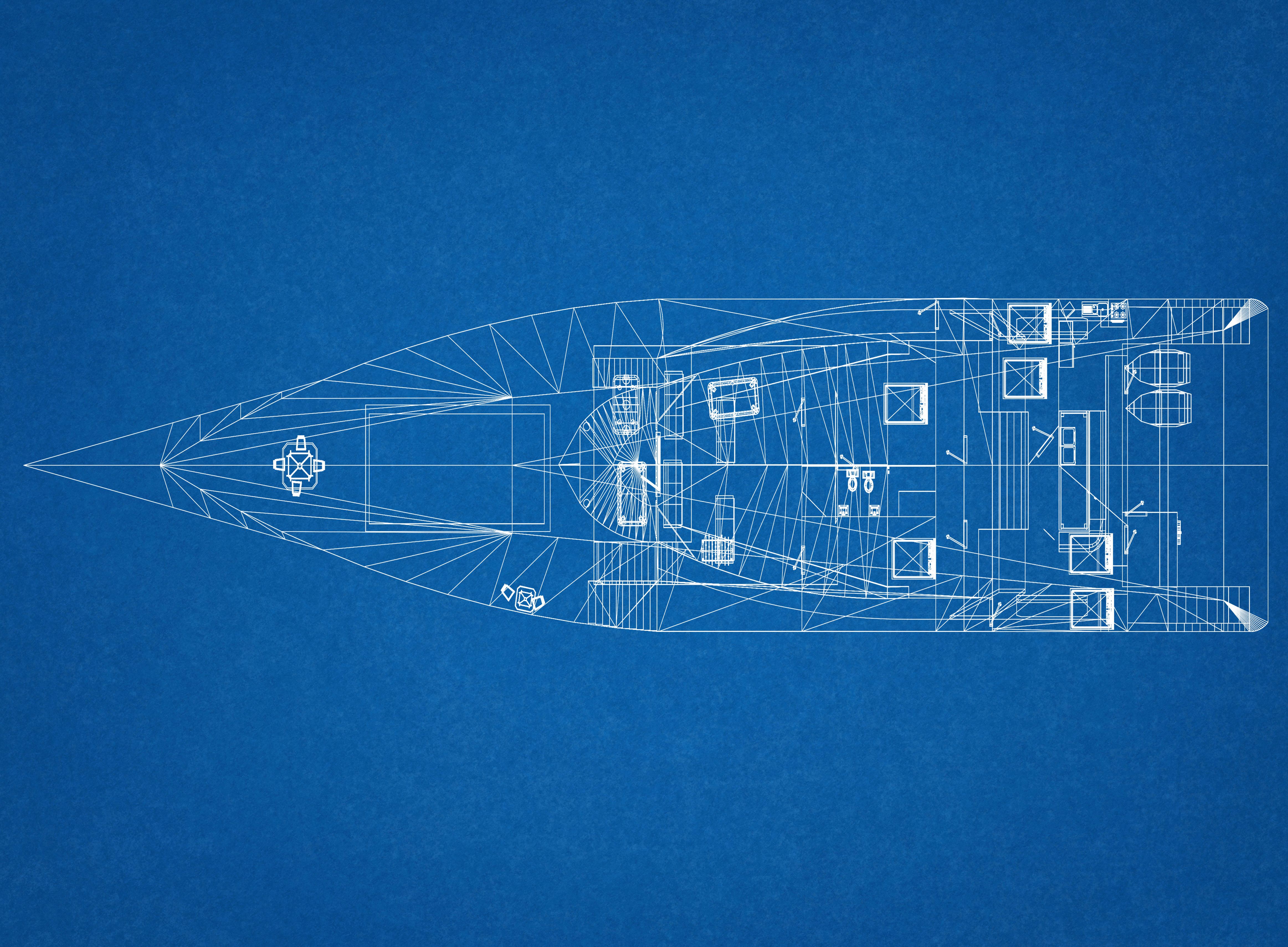
The Benefits of Generative Design in Boating
One of the primary advantages of generative design in boating is its ability to significantly reduce the time and cost involved in the design process. By automating much of the traditional design work, companies can focus their resources on refining and testing the most promising designs. This leads to faster development cycles and quicker time-to-market for new models.
Additionally, generative design promotes material efficiency by creating structures that use less material without compromising strength or performance. This not only reduces costs but also minimizes environmental impact, aligning with the growing demand for sustainable practices within the marine industry.
Improved Performance and Innovation
Generative design allows for the creation of more aerodynamic and hydrodynamic shapes that can enhance a boat's speed and stability. By optimizing these aspects, manufacturers can produce vessels that perform better in various conditions, offering a superior experience for users.

Moreover, this design approach fosters innovation by revealing unconventional solutions that might not be apparent through traditional methods. These novel designs often lead to breakthroughs in functionality and aesthetics, setting new standards in boat design.
How Generative Design Works
The process begins with defining a set of parameters and constraints that the design must adhere to. These can include factors like weight limits, material types, and performance goals. The generative design software then uses these inputs to generate a wide range of potential designs.
The software utilizes algorithms that mimic natural processes such as evolution to refine these designs iteratively. Each iteration is evaluated based on how well it meets the set criteria, gradually honing in on the best possible solutions.

Integration with Other Technologies
Generative design is often integrated with other technologies such as 3D printing and virtual reality to further enhance the design process. 3D printing allows for rapid prototyping of designs, enabling designers to quickly test and refine their ideas in the real world.
Virtual reality offers an immersive way to visualize and interact with designs before they are built, providing valuable insights into how they will perform and appear in their final form.
The Future of Generative Design in Boating
The potential for generative design in the boating industry is vast. As computational power increases and algorithms become more sophisticated, we can expect even more groundbreaking designs and innovations. This technology is set to revolutionize how we approach boat construction, offering unprecedented levels of customization and efficiency.
In conclusion, generative design represents a significant leap forward for the boating industry. Its ability to create optimized, sustainable, and innovative designs promises a future where boats are not only more efficient but also more attuned to the needs and desires of their users.