What is Generative Design in Boating? A Comprehensive Guide


Understanding Generative Design in Boating
Generative design is revolutionizing various industries, and boating is no exception. This innovative approach utilizes computer algorithms to generate a wide range of design options, optimizing for specific criteria set by designers. The result is a more efficient, sustainable, and customized design process that caters to the unique demands of the boating industry.
How Generative Design Works
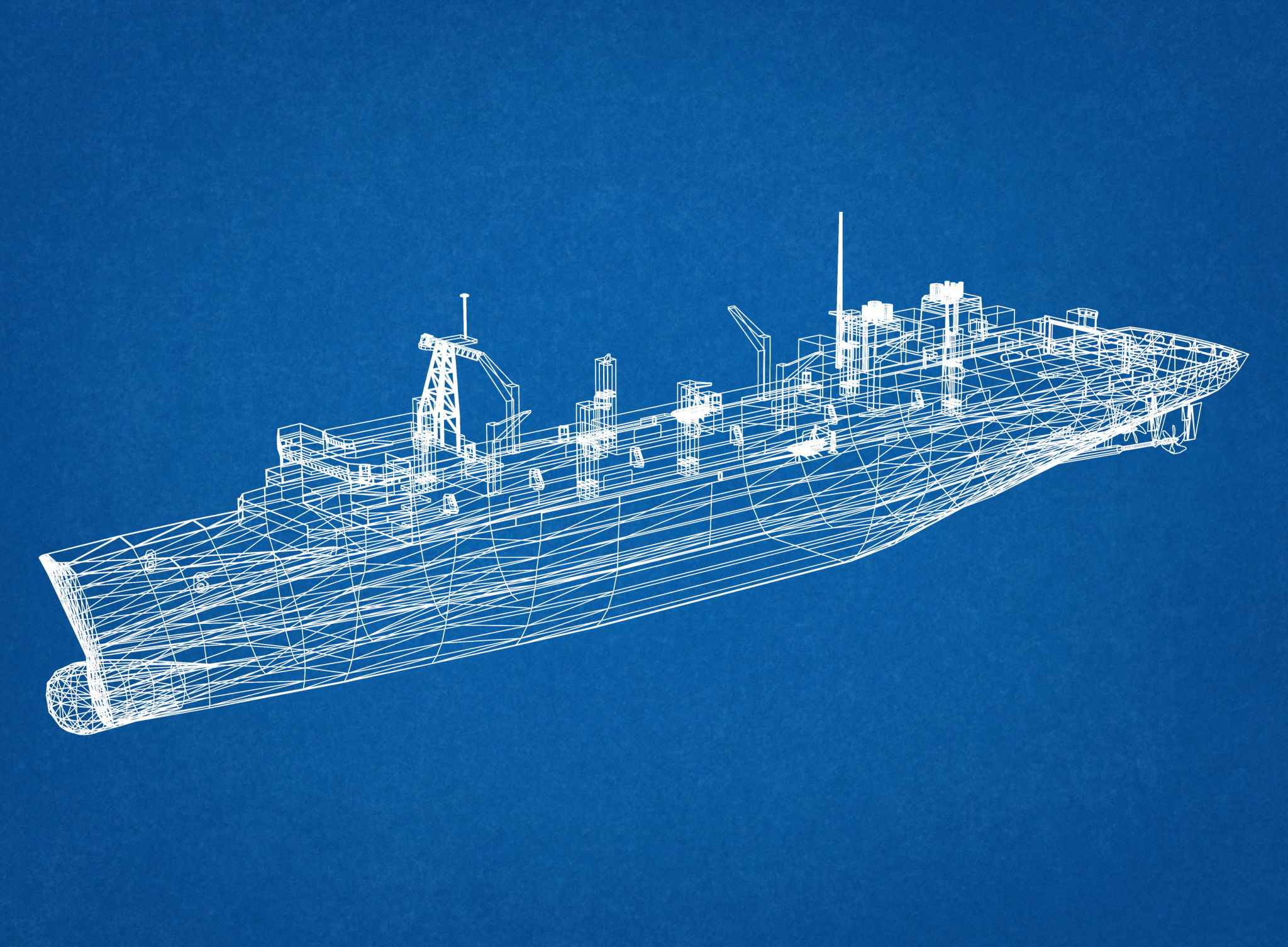
At its core, generative design involves inputting specific parameters into software that then generates numerous design possibilities. These parameters can include material types, weight limits, structural integrity requirements, and more. The software evaluates these options based on the set criteria, helping designers choose the best possible outcomes for their projects.
This process allows for the exploration of designs that might not be immediately apparent through traditional methods. By leveraging the power of algorithms, designers can uncover innovative solutions that enhance performance and aesthetics.

Benefits of Generative Design in Boating
The use of generative design in boating offers several advantages:
- Increased Efficiency: By automating parts of the design process, generative design reduces the time and effort needed to create complex boat structures.
- Enhanced Performance: The ability to explore numerous design iterations leads to optimized performance, with boats that are faster and more stable.
- Sustainable Solutions: Generative design often results in more sustainable designs by optimizing material usage and reducing waste.

Applications in Boat Manufacturing
Generative design is making waves in boat manufacturing by allowing for the creation of boats that are not only unique but also tailored to specific needs. From small yachts to large commercial vessels, manufacturers are using this technology to push the boundaries of what’s possible.
For example, generative design can assist in developing lightweight yet robust hulls, reducing drag and increasing fuel efficiency. This is particularly beneficial in competitive sailing, where every ounce and angle counts.
The Future of Generative Design in Boating
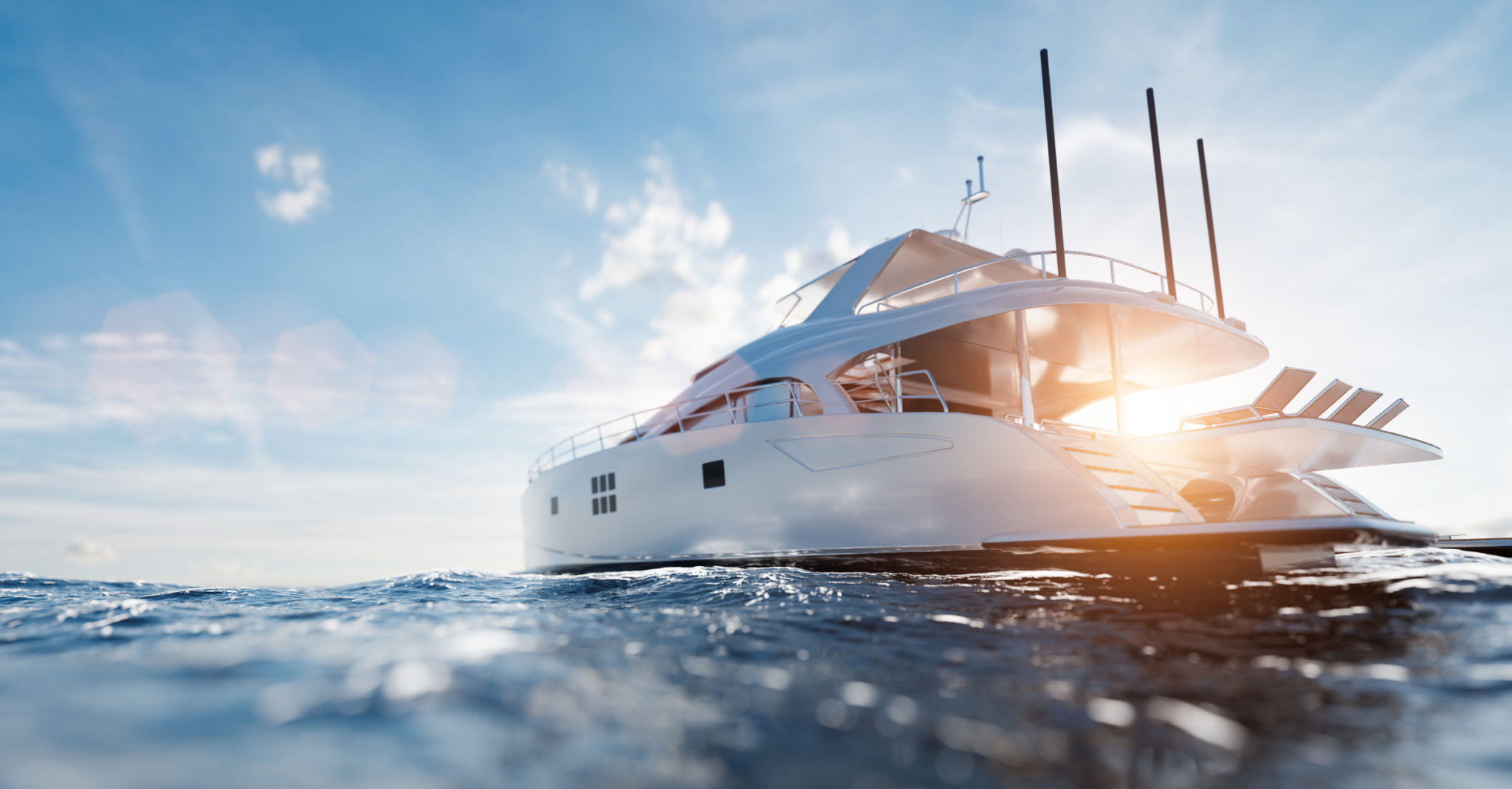
As technology continues to advance, the potential applications of generative design in boating will expand. We can expect to see even more innovative designs that incorporate cutting-edge materials and technologies, further enhancing the capabilities and appeal of modern vessels.
In the future, generative design could play a crucial role in the development of autonomous boats, where precision and optimization are paramount. The boating industry stands on the brink of a design revolution, with generative design leading the way.

Conclusion
Generative design is transforming the boating industry by offering unprecedented design possibilities and efficiencies. As the technology continues to evolve, it promises to redefine how boats are designed, manufactured, and experienced. Whether you're a boat enthusiast or a professional in the industry, understanding generative design is key to staying ahead in this rapidly advancing field.