What is Generative Design in Boating? A Comprehensive Guide


In recent years, the boating industry has seen a wave of innovation, with generative design at the forefront of this transformation. This cutting-edge approach leverages advanced algorithms and computing power to create unique and optimized boat designs. But what exactly is generative design, and how is it reshaping the world of boating?
Understanding Generative Design
Generative design is a process where designers and engineers use algorithms to generate a wide range of design solutions. These algorithms are guided by specific constraints, such as materials, size, and environmental impact. By simulating countless scenarios, generative design explores a vast array of possibilities to find the most efficient and effective outcomes.
In the context of boating, this means creating hulls, decks, and other components that maximize performance while minimizing weight and material use. The process not only accelerates design time but also fosters innovation by uncovering novel solutions that might not be immediately apparent to human designers.

Applications in the Boating Industry
Optimized Hull Designs
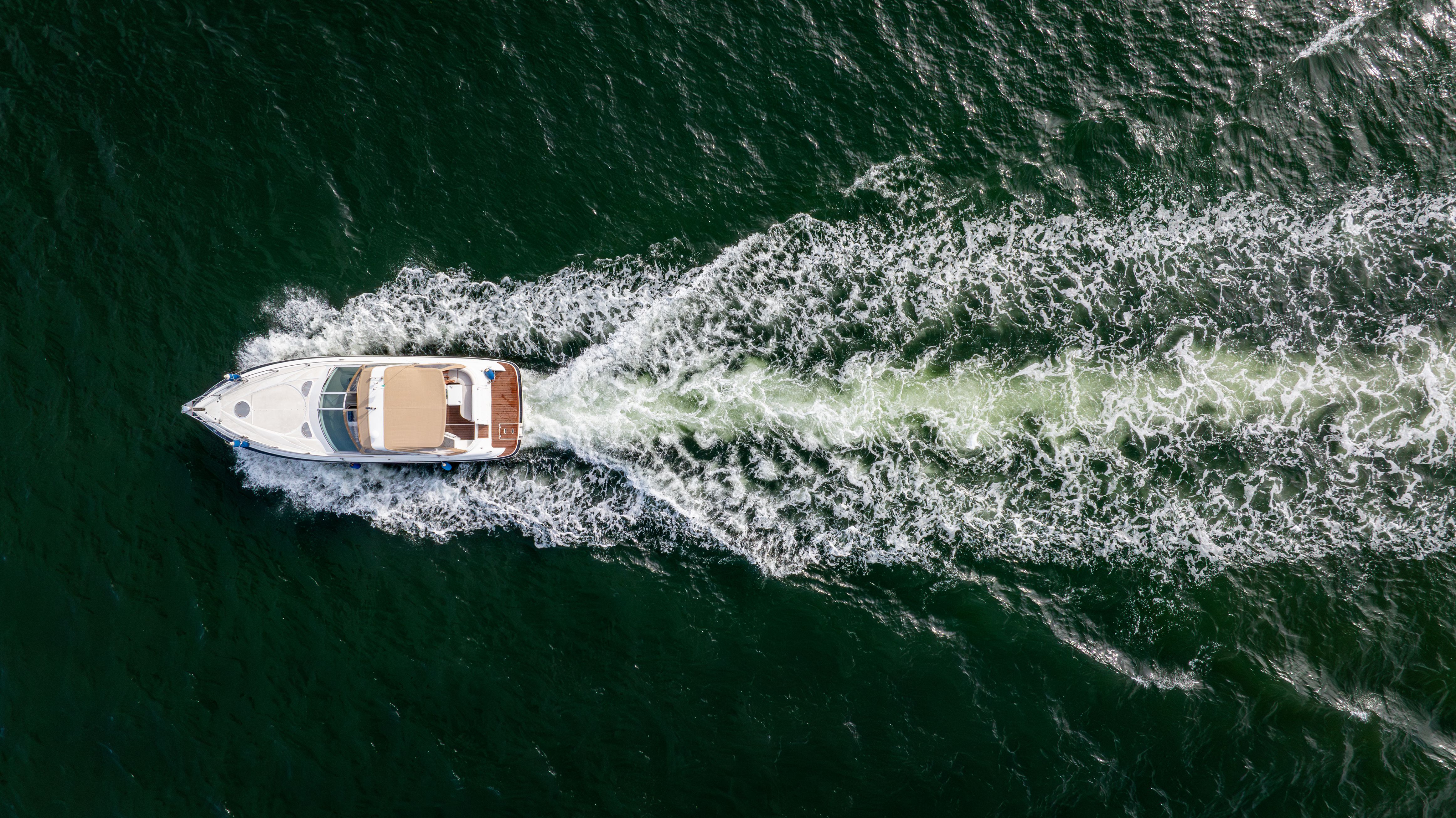
One of the most significant applications of generative design in boating is in the optimization of hull shapes. By using algorithms to simulate water flow and resistance, designers can create hulls that offer improved speed and stability. This results in boats that cut through water more efficiently, offering a smoother and faster ride.
Material Efficiency
Generative design also plays a crucial role in optimizing material use. By analyzing structural requirements and performance goals, the technology identifies where materials are necessary and where they can be reduced. This not only lowers production costs but also leads to lighter vessels, which can enhance fuel efficiency.
The Role of Artificial Intelligence
Artificial intelligence (AI) is integral to generative design, powering the algorithms that drive this innovative process. AI can process vast amounts of data, learning from each iteration to refine designs further. This iterative process ensures that the final product is not only innovative but also highly efficient and tailored to specific needs.
Real-World Examples
Several companies in the boating industry are already leveraging generative design to great effect. From luxury yachts to high-performance racing boats, the benefits of this technology are being realized across various segments. These examples demonstrate the potential for generative design to revolutionize boat manufacturing, leading to smarter, more sustainable, and more efficient vessels.

Challenges and Considerations
While generative design offers many advantages, it also presents challenges. The reliance on complex algorithms requires significant computational resources and expertise. Additionally, ensuring that the designs are practical and meet safety standards remains a critical consideration. As the technology evolves, these challenges are being addressed, paving the way for broader adoption.
Ultimately, generative design represents a paradigm shift in the boating industry. By harnessing the power of AI and advanced computing, it opens up new possibilities for innovation and efficiency. As more companies embrace this approach, the future of boating looks not only promising but also excitingly diverse and sustainable.