What is Generative Design in Boating? A Comprehensive Guide


Understanding Generative Design
Generative design is a revolutionary approach that leverages algorithms to create complex structures and systems, often leading to innovative and efficient solutions. In the context of boating, this technology is transforming the way designers and engineers approach boat design, offering opportunities for increased performance, reduced weight, and enhanced aesthetics.
The Role of Generative Design in Boat Creation
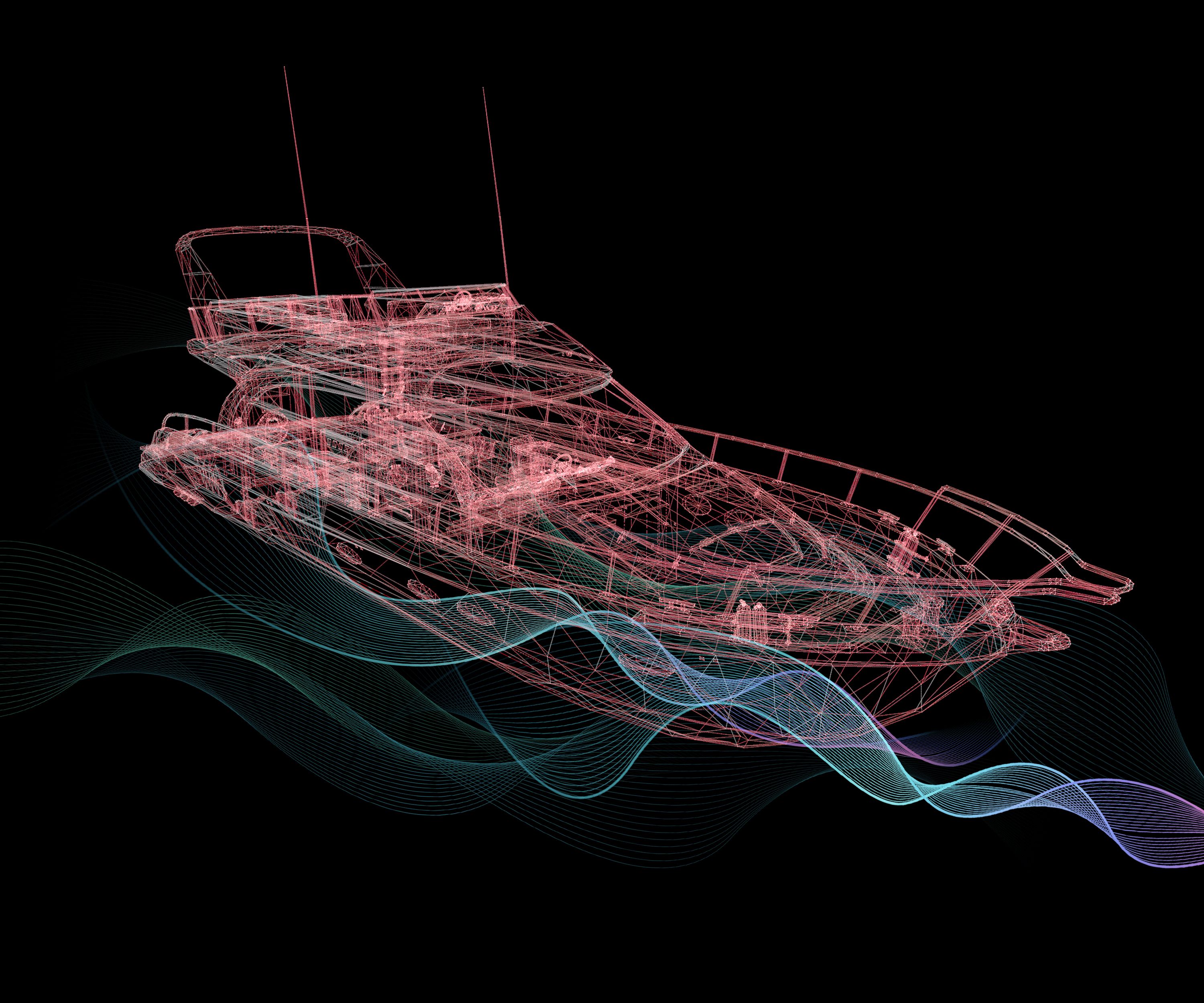
Generative design utilizes powerful computing capabilities to explore a vast array of design possibilities in a fraction of the time it would take using traditional methods. By inputting specific constraints and objectives, such as weight limits, material strength, and performance goals, the software generates numerous design iterations. This allows for the discovery of unique and efficient designs that might not be conceivable manually.
Benefits of Generative Design in Boating
One of the primary advantages of generative design in boating is its ability to optimize materials for lightweight construction. This is crucial in the marine industry where reducing weight can significantly enhance speed and fuel efficiency. Additionally, generative design can lead to improved structural integrity by identifying stress points and distributing loads more effectively.
Applications of Generative Design in the Marine Industry
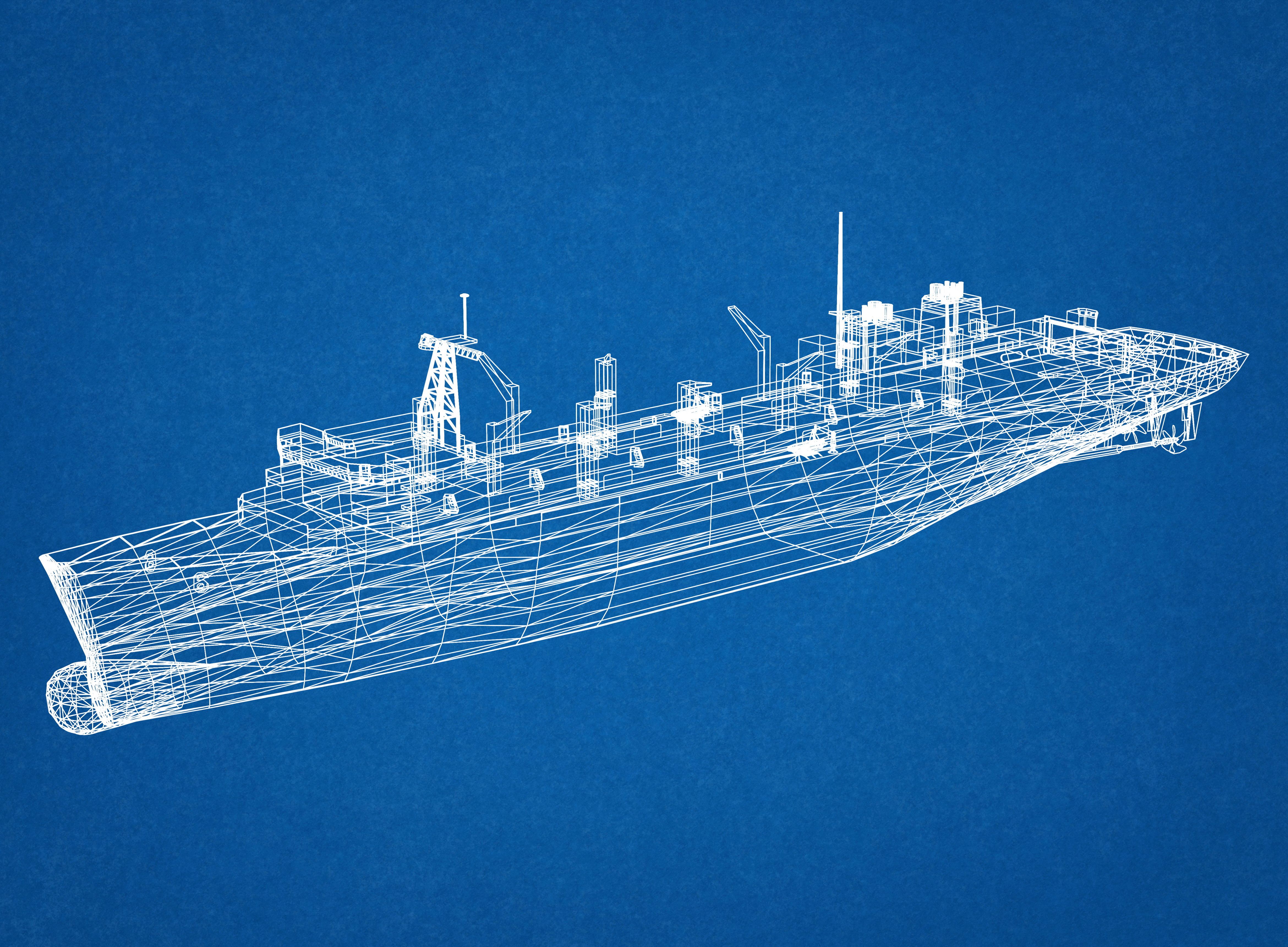
Generative design is being applied across various aspects of boat manufacturing. From hull designs that improve hydrodynamics to interior layouts that maximize space and comfort, the possibilities are extensive. Designers are also using this technology to create custom components like brackets and supports that are both lighter and stronger than those produced through conventional methods.
Challenges and Considerations
Despite its potential, integrating generative design into boating presents challenges. The technology requires a significant upfront investment in software and training. Moreover, there is a learning curve associated with interpreting the complex outputs generated by these algorithms. However, for companies willing to embrace the technology, the long-term benefits often outweigh the initial hurdles.

The Future of Generative Design in Boating
As computational power continues to grow, the future of generative design in boating looks promising. The ability to simulate real-world conditions and predict performance characteristics with high accuracy will only improve. This promises not only to transform boat manufacturing but also to set new standards for sustainability and innovation in the marine industry.
Conclusion
Generative design is more than just a trend; it's a powerful tool that's reshaping how boats are conceived and built. By harnessing the power of advanced algorithms, the boating industry can achieve unprecedented levels of efficiency and creativity. As more designers and manufacturers adopt this technology, we can expect to see boats that are faster, more efficient, and more environmentally friendly than ever before.