Understanding Computational Fluid Dynamics: Enhancing Boat Efficiency with AI


In recent years, the field of Computational Fluid Dynamics (CFD) has seen remarkable advancements, particularly with the integration of Artificial Intelligence (AI). These technologies are revolutionizing how we understand and optimize fluid flow, especially in marine applications. By enhancing boat efficiency, CFD and AI are not only pushing the boundaries of naval design but also contributing to more sustainable practices.
CFD is a branch of fluid mechanics that uses numerical analysis and data structures to solve and analyze problems involving fluid flows. By simulating the interaction of liquids and gases, it helps engineers design efficient systems. When combined with AI, the potential for innovation and refinement in boat design is significantly magnified.

The Role of CFD in Marine Design
In the realm of marine engineering, CFD is instrumental in understanding the complex interactions between water and vessel hulls. By simulating these interactions, engineers can predict how different designs will perform under various conditions. This capability allows for the optimization of hull shapes, reducing drag and enhancing speed and fuel efficiency.
Moreover, CFD enables a detailed analysis of propulsion systems, helping in the development of more efficient engines and propellers. By reducing resistance and improving hydrodynamic performance, boats can achieve higher speeds with less energy consumption.
AI: The Game Changer
Artificial Intelligence is transforming the way we approach CFD simulations. By employing machine learning algorithms, AI can process vast amounts of data to identify patterns and predict outcomes with greater accuracy. This capability allows for more precise modeling of fluid dynamics and improved decision-making in design processes.
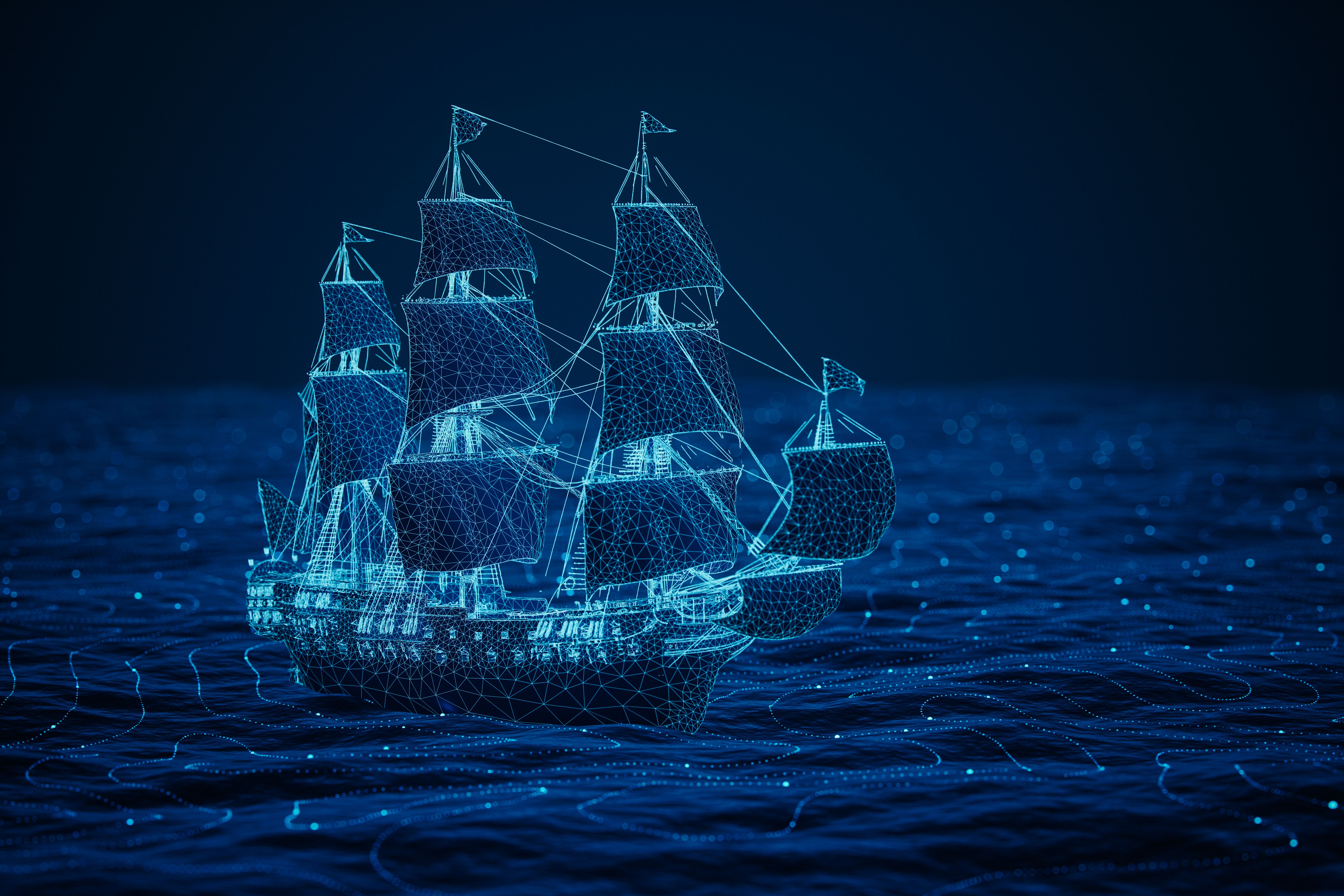
AI-enhanced CFD can also lead to faster simulations. Traditional CFD methods can be time-consuming and resource-intensive. However, AI can optimize these processes, reducing the time required to achieve reliable results. This efficiency allows engineers to explore more design iterations in less time, leading to innovative solutions.
Benefits of Enhanced Efficiency
The integration of AI with CFD in boat design offers several benefits. Firstly, it leads to reduced fuel consumption, which is both economically and environmentally beneficial. Lower fuel usage means reduced emissions, contributing to cleaner oceans and a smaller carbon footprint.
- Improved Performance: Optimized designs lead to faster and more agile vessels.
- Cost Savings: Efficient designs reduce operational costs.
- Sustainability: Lower emissions and resource usage align with global environmental goals.

Future Prospects
The future of boat design is promising with the ongoing advancements in CFD and AI. Researchers are continuously developing better algorithms and models to further enhance efficiency and performance. As these technologies evolve, we can expect even more groundbreaking innovations in the marine industry.
Ultimately, the combination of CFD and AI represents a powerful toolset for engineers and designers. By leveraging these technologies, the marine industry can look forward to creating faster, greener, and more efficient vessels, paving the way for a sustainable future in maritime transportation.