Overcoming Challenges in AI-Driven Boat Manufacturing


Introduction to AI-Driven Boat Manufacturing
The integration of AI in boat manufacturing is transforming the industry, offering increased efficiency and precision. However, the journey is not without its challenges. Understanding these obstacles and developing strategies to overcome them is crucial for manufacturers aiming to leverage AI technology effectively.
Manufacturers are increasingly reliant on AI to streamline operations, enhance design accuracy, and optimize production processes. Nevertheless, the implementation of AI solutions requires a deep understanding of both technological capabilities and industry-specific needs.
Data Management and Integration
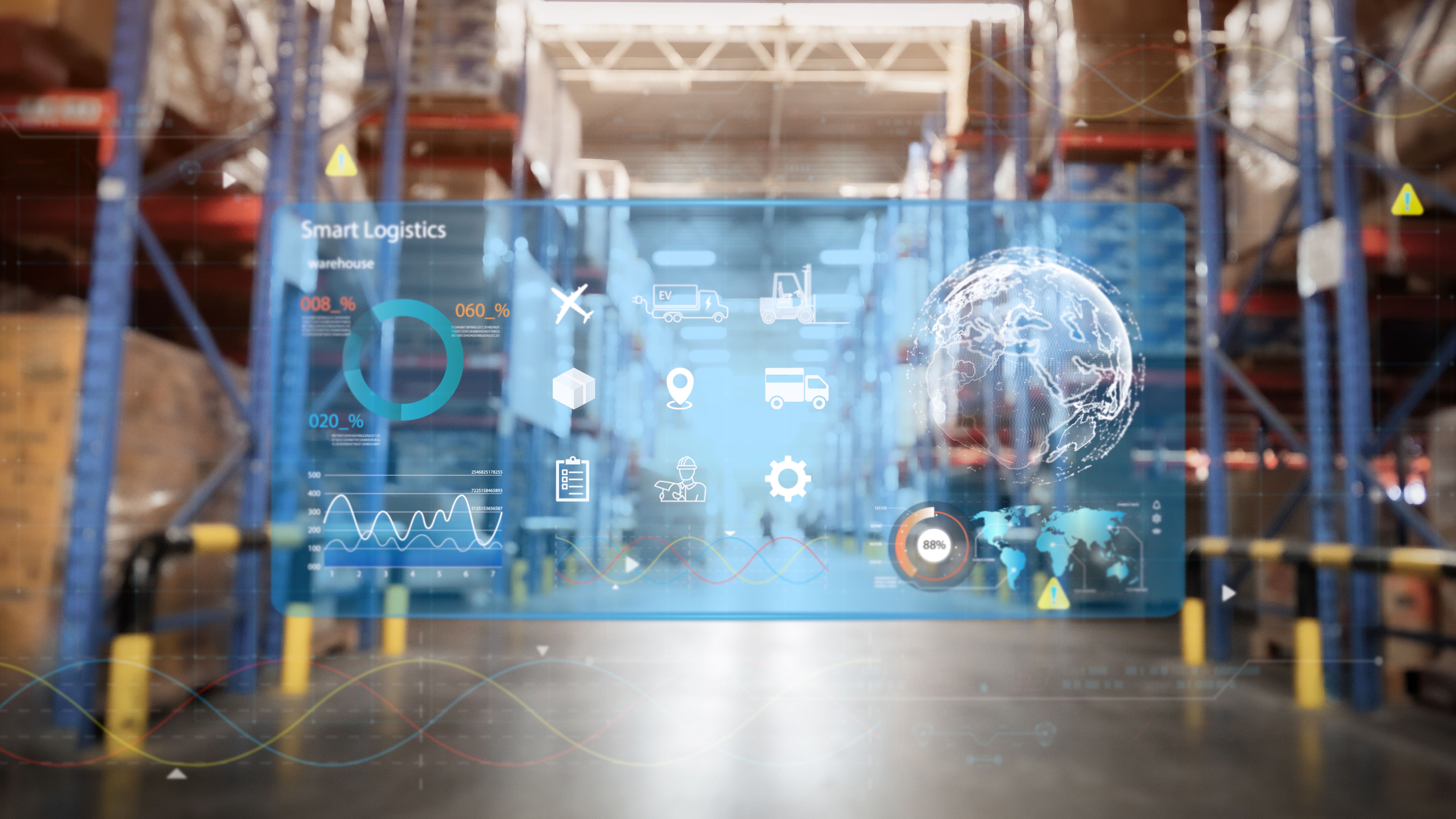
One of the primary challenges in AI-driven boat manufacturing is managing and integrating vast amounts of data. AI systems rely heavily on data to function effectively, and ensuring data quality and consistency is essential. Manufacturers must invest in robust data management systems to handle this complexity.
Integrating AI with existing systems and processes can also be daunting. Legacy systems may not be compatible with new AI technologies, necessitating updates or complete overhauls. This requires careful planning and investment to ensure seamless operation.
Skill Gaps and Training
Another significant hurdle is the skill gap within the workforce. Implementing AI technologies requires specialized knowledge, and many manufacturers struggle to find skilled professionals. Investing in training and development programs is crucial to bridge this gap and empower employees to work alongside AI technologies effectively.

Training programs should focus on both technical skills and an understanding of AI's potential impact on operations. By fostering a culture of continuous learning, manufacturers can ensure their workforce remains adaptable and prepared for future advancements.
Cost and Investment
The financial investment required for AI implementation is another challenge. While AI can lead to long-term cost savings, the initial outlay can be substantial. Manufacturers must weigh the benefits against the costs and develop a clear ROI strategy to justify the investment.
Focusing on phased implementation can help manage costs. By starting with smaller, manageable projects, manufacturers can gradually scale up their AI capabilities, minimizing risk and maximizing return.

Ensuring Safety and Compliance
Safety and regulatory compliance are critical concerns in the boat manufacturing industry. AI systems must be designed to adhere to stringent safety standards and comply with industry regulations. Ensuring that AI-driven processes meet these requirements is essential to avoid legal and operational issues.
Manufacturers should work closely with regulatory bodies to stay updated on compliance requirements and incorporate them into their AI development and deployment processes. This proactive approach can help prevent potential setbacks and enhance trust in AI solutions.
Conclusion
Overcoming the challenges in AI-driven boat manufacturing requires a strategic approach that addresses data management, skill development, cost considerations, and compliance. By tackling these obstacles head-on, manufacturers can unlock the full potential of AI, leading to more efficient and innovative production processes.
As the industry continues to evolve, staying informed and adaptable will be key to maintaining a competitive edge. Embracing AI with a clear understanding of its challenges and opportunities can pave the way for a more advanced and sustainable future in boat manufacturing.