Navigating Challenges in AI-Driven Boat Construction


In recent years, the integration of artificial intelligence (AI) into boat construction has revolutionized the industry, offering unprecedented opportunities for innovation and efficiency. However, the journey to fully AI-driven boat construction is fraught with challenges that require careful navigation.
Understanding AI in Boat Construction
AI technology in boat construction involves the use of algorithms and machine learning to design, build, and optimize boats. It offers significant advantages in terms of speed and precision, allowing builders to create more complex and efficient vessels.
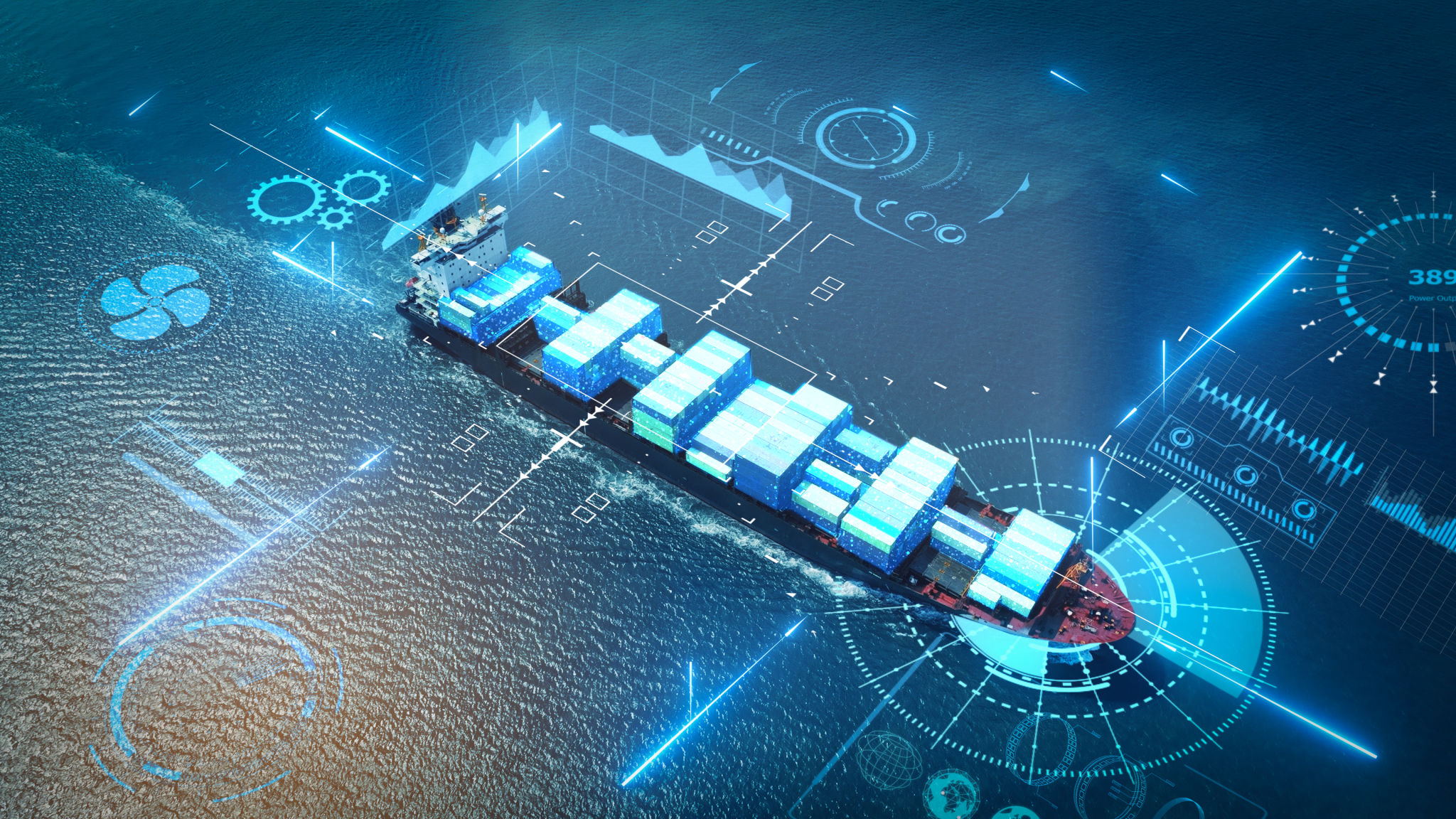
Despite these benefits, the adoption of AI in boat construction is not without hurdles. One of the primary challenges is integrating AI systems with existing construction processes, which can be both costly and time-consuming.
Integrating AI with Traditional Methods
The integration of AI with traditional boat construction methods requires a significant shift in operations. Builders must adapt to new technologies, which often means retraining staff and investing in new equipment. This transition can be daunting, especially for companies with established processes.
Moreover, the compatibility of AI systems with existing tools and machinery poses another layer of complexity. Ensuring seamless communication between AI-driven systems and traditional equipment is crucial for maintaining productivity.

Addressing Data Challenges
Data is the backbone of AI, but managing and utilizing data effectively is a challenge in itself. The boat construction industry must handle vast amounts of data, from design specifications to material properties. Ensuring data accuracy and security is vital for effective AI implementation.
Additionally, the quality of AI outputs depends heavily on the quality of data input. Builders must ensure their data is clean, relevant, and up-to-date to maximize the benefits of AI-driven processes.
Overcoming Resistance to Change
Like many industries, boat construction faces resistance to change, particularly from those accustomed to traditional methods. Embracing AI technology requires a cultural shift within organizations, fostering an environment of innovation and continuous learning.
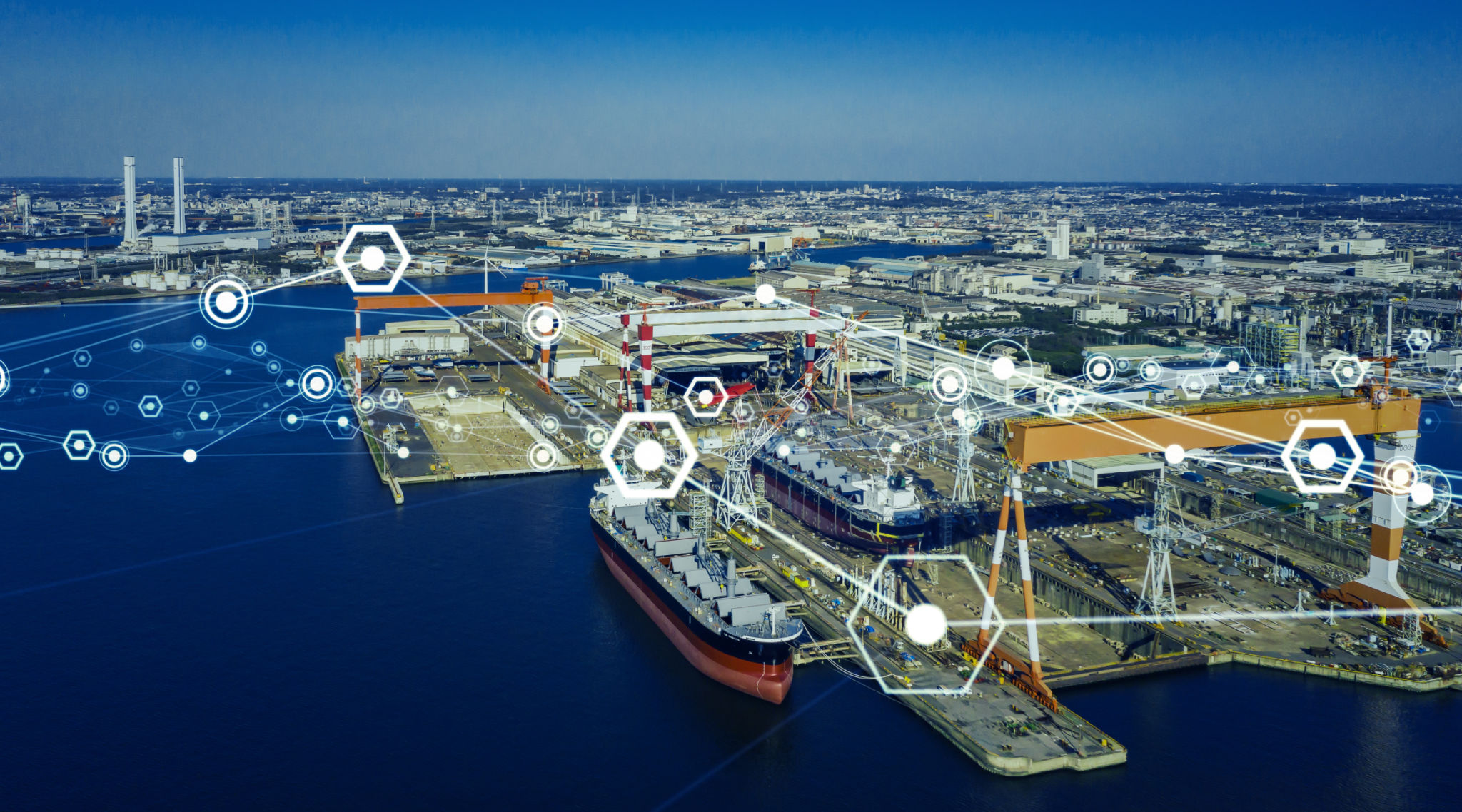
Education and training play a crucial role in overcoming this resistance. Providing comprehensive training programs and workshops can help ease the transition, equipping workers with the necessary skills to thrive in an AI-driven environment.
Future Prospects and Innovations
Despite the challenges, the future of AI-driven boat construction is promising. Innovations in AI technology continue to evolve, offering new possibilities for design, efficiency, and sustainability.
As the industry progresses, collaboration between AI experts and boat builders will be key to unlocking the full potential of AI in boat construction. By working together, they can overcome existing challenges and pave the way for a new era of innovation in the maritime industry.