How Computational Fluid Dynamics Enhances Boat Efficiency


Understanding Computational Fluid Dynamics
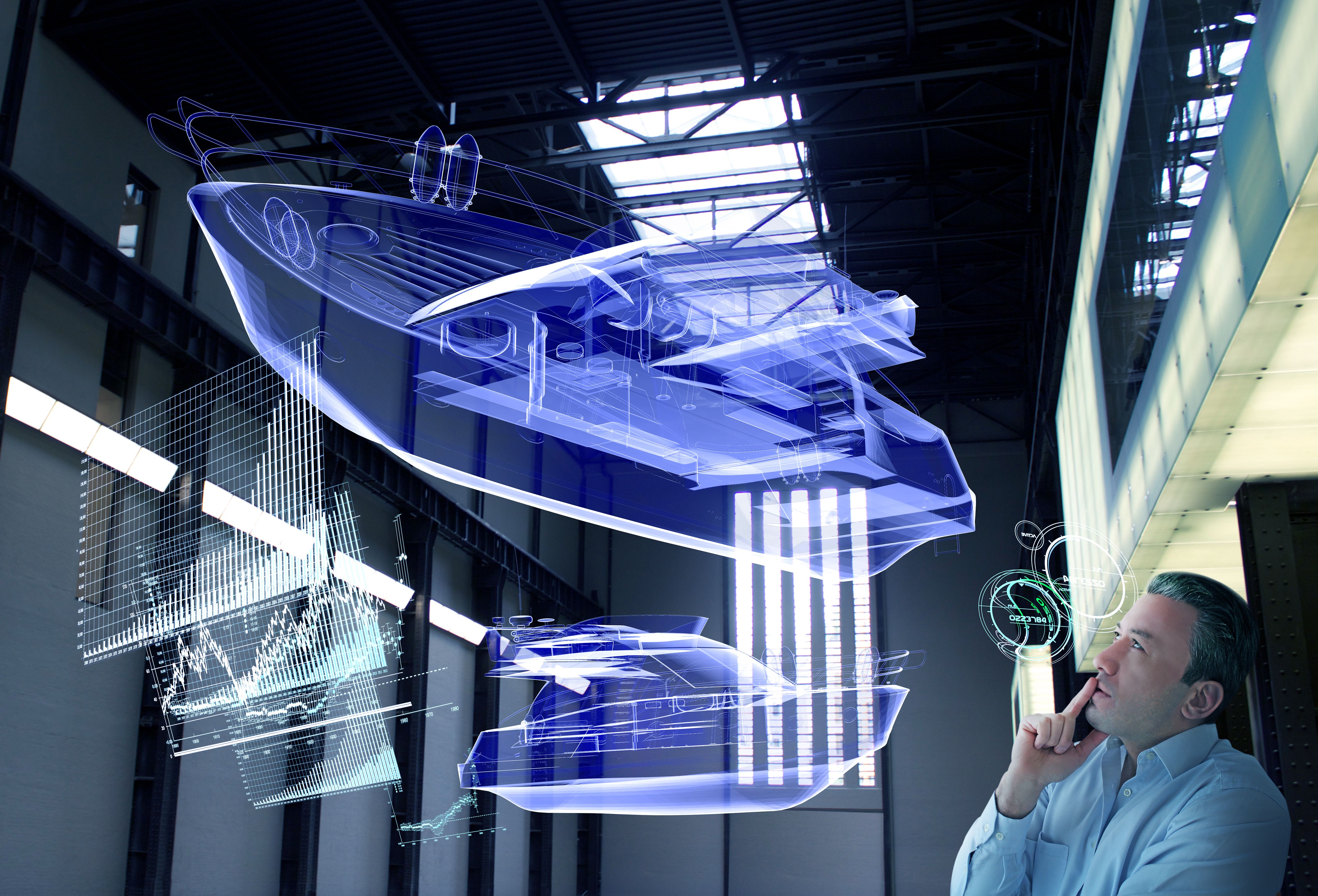
Computational Fluid Dynamics (CFD) is a branch of fluid mechanics that uses numerical analysis and algorithms to solve and analyze problems involving fluid flows. In the context of boat design, CFD is increasingly being used to enhance the efficiency and performance of vessels. By simulating how water and air interact with the boat's surfaces, designers can optimize shapes and structures for better speed and fuel efficiency.
Optimizing Hull Design
The hull is one of the most crucial parts of a boat when it comes to fluid dynamics. A well-designed hull reduces drag and allows for smoother sailing. CFD allows engineers to test various hull shapes and configurations digitally, identifying the most efficient design without the need for physical prototypes. This process not only saves time but also reduces costs significantly.
With CFD, designers can experiment with different materials and structural modifications to find the optimal balance between weight and strength. This leads to better stability and a more streamlined form, allowing the boat to cut through water with minimal resistance.
Improving Propulsion Systems
Beyond hull design, CFD is instrumental in enhancing propulsion systems. Propellers and other propulsion mechanisms can be optimized using CFD simulations to ensure they operate at peak efficiency. By analyzing the flow of water around these components, engineers can make precise adjustments to blade shapes and angles.
This fine-tuning results in propulsion systems that not only consume less energy but also provide greater thrust. Improved propulsion efficiency translates to lower fuel consumption, reduced emissions, and cost savings for boat owners.
Reducing Environmental Impact
One of the significant benefits of using CFD in boat design is the potential reduction in environmental impact. By optimizing designs for better fuel efficiency, CFD helps decrease the carbon footprint of maritime activities. This is particularly important as the industry moves towards more sustainable practices.
Additionally, CFD can be used to design boats that produce less wake, minimizing their impact on marine ecosystems. Less wake means reduced erosion of shorelines and less disturbance to aquatic life, contributing to healthier ocean environments.

Enhancing Performance in Various Conditions
Boats often operate in a variety of weather and sea conditions, which can significantly affect performance. CFD simulations allow designers to model how boats will behave in different scenarios, such as rough seas or high winds. This predictive capability enables the creation of designs that maintain high performance across diverse conditions.
By understanding these dynamics, engineers can incorporate features that enhance stability and control, ensuring that vessels perform reliably and safely no matter the environment.
The Future of CFD in Boat Design
The use of CFD in boat design is set to expand as technology advances. With the integration of machine learning and AI, CFD simulations will become even more precise and efficient. This will lead to faster development cycles and more innovative designs that push the boundaries of what is possible in maritime engineering.
Ultimately, CFD is not just a tool for design but a pathway to a more efficient, sustainable, and innovative future for the boating industry. As the technology continues to evolve, it will undoubtedly play a pivotal role in shaping the next generation of watercraft.