Generative Design: The Future of AI in the Boating Industry


Introduction to Generative Design
Generative design is rapidly transforming industries by leveraging AI to create innovative solutions. In the boating industry, this technology is charting a new course, enabling designers to harness the power of algorithms to craft more efficient and sustainable boats.

What is Generative Design?
At its core, generative design uses AI to explore a vast array of design possibilities. By setting specific parameters, such as materials, constraints, and goals, designers can allow the AI to generate numerous design options. This process not only accelerates innovation but also enhances creativity by providing designs that might not have been considered through traditional methods.
Benefits for the Boating Industry
The boating industry stands to gain significantly from generative design. Here are a few key benefits:
- Efficiency: AI-driven designs can optimize hull shapes and structures to improve fuel efficiency and performance.
- Sustainability: By optimizing material usage, generative design can lead to more environmentally friendly boats.
- Customization: Designers can create tailor-made solutions that cater to specific client needs and preferences.

How it Works
Generative design in the boating industry typically begins with defining the problem and constraints. Designers input these parameters into the AI system, which then processes and evaluates thousands of potential solutions. The results are often surprising, offering innovative designs that maximize performance and efficiency.
Real-World Applications
Several companies in the boating industry have already begun implementing generative design. From designing luxury yachts to crafting high-performance racing boats, the applications are vast. For instance, some manufacturers use this technology to improve aerodynamics and reduce drag, resulting in faster and more fuel-efficient vessels.
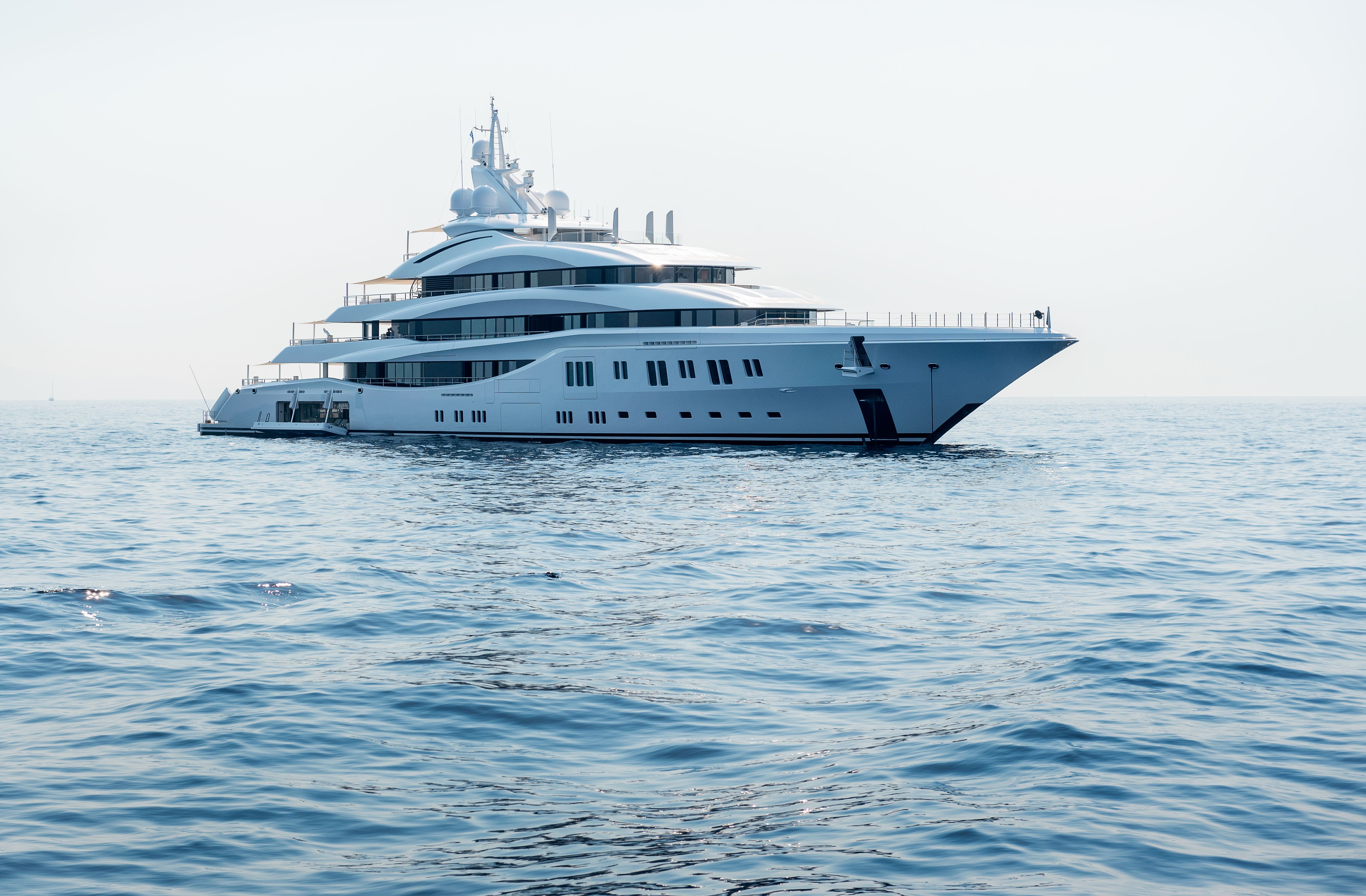
The Future of AI in Boating
As AI continues to evolve, its role in the boating industry is expected to expand. The integration of machine learning and data analytics with generative design could lead to even more advanced solutions, such as autonomous vessels and smart boat systems that adjust to environmental changes in real-time.
Challenges and Considerations
Despite its potential, generative design also presents challenges. The complexity of AI algorithms and the need for substantial computational power can be barriers for some companies. Additionally, ensuring that AI-generated designs meet safety standards and regulatory requirements is crucial.
In conclusion, the future of the boating industry looks promising with the advent of generative design. As technology advances, it will undoubtedly continue to push the boundaries of what is possible, leading to a new era of innovation and sustainability in boating.